
medieval cuisine recipes cookbooks.
Dining in the Middle Ages: Flavors, Recipes, and Culinary Manuscripts.
Medieval Cuisine: A Journey into Ancient Flavors medieval cuisine recipes cookbooks.
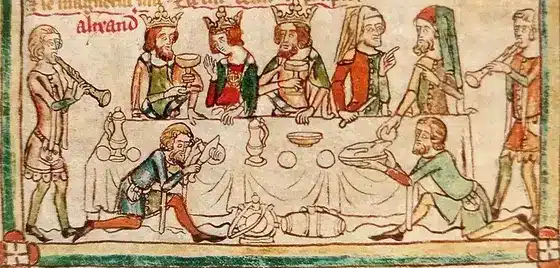
Eating in the Middle Ages meant tasting dishes with flavors that might seem unusual or surprising to us today.
Medieval recipes often combined contrasting tastes: sour with sweet, salty with spicy. The result was a rich and complex culinary experience, far from the flavors of modern cooking.
What Did People Eat in the Middle Ages?.
The ingredients of medieval cuisine were very different from what we use today. Here’s a quick overview of what was – and wasn’t – on medieval tables.
Ingredients Absent from Medieval Cooking medieval cuisine recipes cookbooks.
These were unknown in Europe before the discovery of the Americas:
- Tomatoes
- Potatoes
- Corn
- Chili peppers
- Coffee
- Tobacco
The Stars of Medieval Cuisine
Popular ingredients included:
- Almonds, used to make almond milk, a common substitute for animal milk during fasting days
- Citrus fruits, especially orange peel, to perfume slow-cooked dishes
- Expensive spices such as saffron, cinnamon, ginger, cloves, and grains of paradise (also known as Guinea pepper)
- Borage and rose water, which are now almost forgotten in modern cooking
Medieval Recipes: A Mix of Sweet and Savory
One typical medieval dish was rice cooked in almond milk. The rice was first boiled in water, then drained and simmered again in almond milk, with sugar added at the end. It could be served sprinkled with more sugar or accompanied by a sauce made of plums, honey, and spices.
Another popular preparation was sauce cameline, a sauce made with ground almonds and spices, often served with roasted or boiled meat.
One of the most elaborate recipes was the torta parmesana, a savory pie baked under hot embers. It featured a simple crust of flour and water filled with multiple layers of ingredients: chicken, green and white ravioli, ham, and sausages.
What Were Medieval Cookbooks Like? medieval cuisine recipes cookbooks.
The first medieval culinary manuscripts date back to the late 13th century. These were not just simple collections of recipes but detailed guides, often part of broader codices containing various writings.
Three Ways Medieval Recipes Were Organized
Medieval cookbooks were structured in different ways:
- Alphabetically
- Grouped by main ingredient (meat, fish, vegetables, eggs, etc.)
- Divided by course (roasts, soups, sauces, pies, and so on)
Today, historians have identified over one hundred of these manuscripts, often found in multiple versions or translations medieval cuisine recipes cookbooks.
Who Read Medieval Cookbooks?
Medieval cookbooks were written:
- In Latin, usually for the head of the household or court physicians
- In vernacular languages, for professional cooks (rarely for housewives or common people)
These texts included both simple dishes, like boiled vegetables from the garden or the wild, and complex, expensive recipes reserved for noble banquets.
Why Explore Medieval Cuisine Today? medieval cuisine recipes cookbooks.
Studying medieval food culture means rediscovering a rich heritage of flavors, aromas, and cooking techniques. It’s a fascinating way to understand the evolution of gastronomy and how people lived and ate in the past.
If you want to learn more, visit our dedicated section:
👉 Medieval Cuisine: Recipes and Culinary Manuscripts
Or why not try preparing a medieval recipe at home? Just remember: the portions were usually for twelve wealthy and hungry diners!