
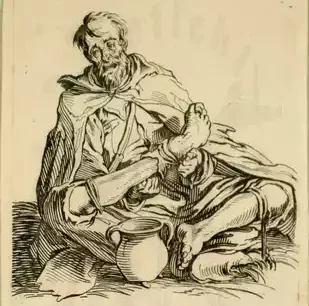
The Art of the Antique Etching Print: History and Technique
The Art of the Antique Etching Print: History and Technique
One of the most prestigious techniques in the world of fine art is the antique etching print. For centuries, artists have used this method to create works with incredible detail and emotional depth. In this article, we will explore why this technique, known as acquaforte, remains a cornerstone for art collectors and history enthusiasts.
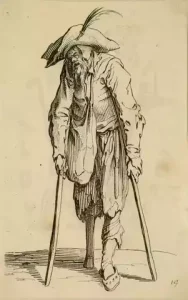
What is an Etching? etching art print technique
An etching is an indirect intaglio printing process. Unlike traditional engraving, the artist does not cut the plate by hand. Instead, they use acid to create the image.
The term “acquaforte” comes from the Latin aqua fortis, which means “strong water.” This refers to the nitric acid that “bites” the metal plate. Because the artist draws with a needle through a soft wax ground. The lines in an antique etching print appear fluid and natural, much like a freehand drawing.
The Creation Process: How Artists Craft an Antique Etching Print
To create a high-quality print, the artist follows a precise and chemical process. First, they cover a metal plate with acid-resistant wax. Then, they scratch the design into the wax, exposing the metal underneath.
When the artist places the plate in an acid bath, the chemical eats into the exposed lines. Afterward, they remove the wax and apply ink to the plate. Finally, a high-pressure printing press transfers the ink from the grooves onto paper. Consequently, each antique etching print possesses a unique texture and depth that digital copies cannot replicate.
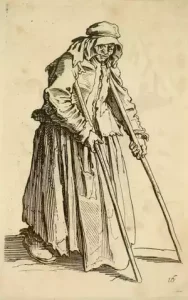
A Brief History: From the Renaissance to Rembrandt etching art print technique
The etching technique flourished during the 16th century. Master artists quickly realized its potential for mass-producing complex images. For instance, Rembrandt van Rijn revolutionized the medium. He used multiple “states” or stages of etching to play with light and shadow.
Later, artists like Francisco Goya and Giovanni Battista Piranesi used the antique etching print to document history and architecture. Today, these works are not just decorations; they are historical artifacts. They offer us a window into the artistic soul of past centuries.
Why Collectors Value Antique Etchings
Why should you consider adding an antique etching print to your collection? There are three main reasons:
- Originality: Even within a series, each print has subtle variations due to the inking process.
- Investment: Rare prints by famous masters often increase in value over time.
- Aesthetic Depth: The “burr” and the richness of the ink create a tactile quality that defines fine art.
If you are looking for rare and authentic pieces, we invite you to explore our curated selection of prints. We specialize in preserving the beauty of the past for modern collectors.