
Tea Time
Tea Time.
History, origins, and rituals of a millenary beverage
by Luca Piatti
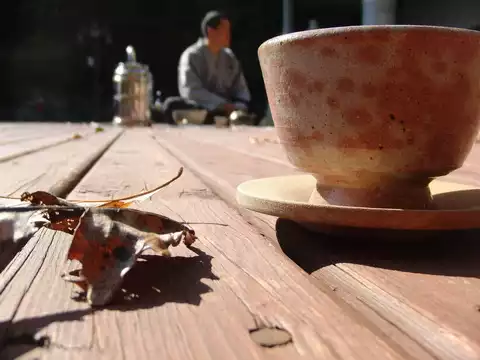
Tea time is an ancient ritual, a pause filled with gestures and objects that speak of elegance, slowed time, and discreet pleasures. At the heart of this ritual are delicate cups, light as paper, and silver teaspoons reflecting the daylight. Alongside the choice of milk or a thin slice of lemon (carefully peeled), there is always a selection of homemade pastries, arranged like small promises of sweetness.
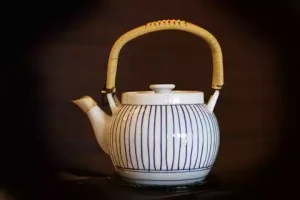
In these timeless pages of daily ceremony, tea becomes the protagonist: an infusion of aromatic leaves with an amber hue and an enchanting aroma, enjoyed both in rooms warmed by the fireplace and in the solemn courts of Eastern cultures. It can be savored hot, iced, plain, or lightly sweetened, always with the same grace that has transcended centuries.
☕ Tea Objects, Books, and Memories
If tea time evokes objects and knowledge from other eras, our collection could not be without a text celebrating its charm and practices. Among the rare items available, we highlight Giannoni Giovanni – Il tè elegante, published in Rome in 1938 by Edizioni della Rivista Preziosa. This small recipe book, imbued with the tastes of the time, collects sweet and savory preparations to accompany tea, reflecting the gastronomic and social style of an era when tea was a luxury and a symbol of refinement.
🌍 Tea Around the World: Traditions and Stories, Tea Time
Tea does not belong to a single culture but is a thread that runs across continents and civilizations. In the West, the English afternoon tea has become an enduring classic; elsewhere, among nomadic desert populations, tea symbolizes hospitality and sharing. In the East, it becomes ritual: a gesture that blends aesthetics, discipline, and spirituality.
For those wishing to explore the rarest and most fascinating tea varieties and their stories, our blog offers essays on prized Oriental teas:
- Lapsang Souchong (a smoked black tea from the Fujian mountains) with its curious history and unique aromatic profile, explored in Fine Teas: Lapsang Souchong
- Tie Guan Yin, an Oolong with complex flavor and legendary background, detailed in Fine Teas: Tie Guan Yin
📜 Origins of a Boundless Beverage
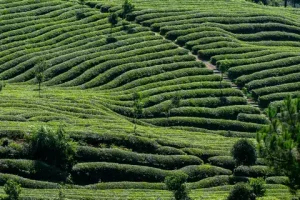
The origins of tea go back millennia, intertwined with myth and natural observation. According to a Chinese legend, an emperor discovered tea while observing water boiling when a gentle breeze carried leaves of Camellia sinensis into the vessel, creating the world’s first cup.
Historically, the wild plant was identified in the Assam region of northeast India in the 19th century, and from there it spread to many cultures, as evidenced by early European mentions in the 16th century texts of Venetian diplomat Giovanni Battista Ramusio and later confirmed by Jesuits active in China.
🧘 The Meaning of Tea, Tea Time
Over the centuries, tea lost the exclusivity of aristocratic courts and became part of everyday life. Yet it always retains an aura of slowness and contemplation, a moment of respite in the hectic rhythm of modern life. In each cup, stories, travels, curiosities, and the richness of the cultures that adopted it are reflected.
Antique objects such as porcelain tea sets or recipe books like Il tè elegante are not mere artifacts: they are silent witnesses of a time when savoring a beverage also meant telling the story of oneself and one’s world.
🍃 Conclusion
Tea time, in all its infinite variations, represents an encounter of cultures, eras, and objects. It is a bridge between past and present, a ritual inviting one to pause and savor the moment.
For those wishing to further explore the universe of tea, browse our blog articles on rare varieties or discover the antique books celebrating it. In every page and in every cup, tea continues to tell its stories.